The Midlife
Foundation
Programmes

Three programmes, one goal: women who know when to seek care, and can get it.

Our first programmes open in 2027. Register your interest to be told first.

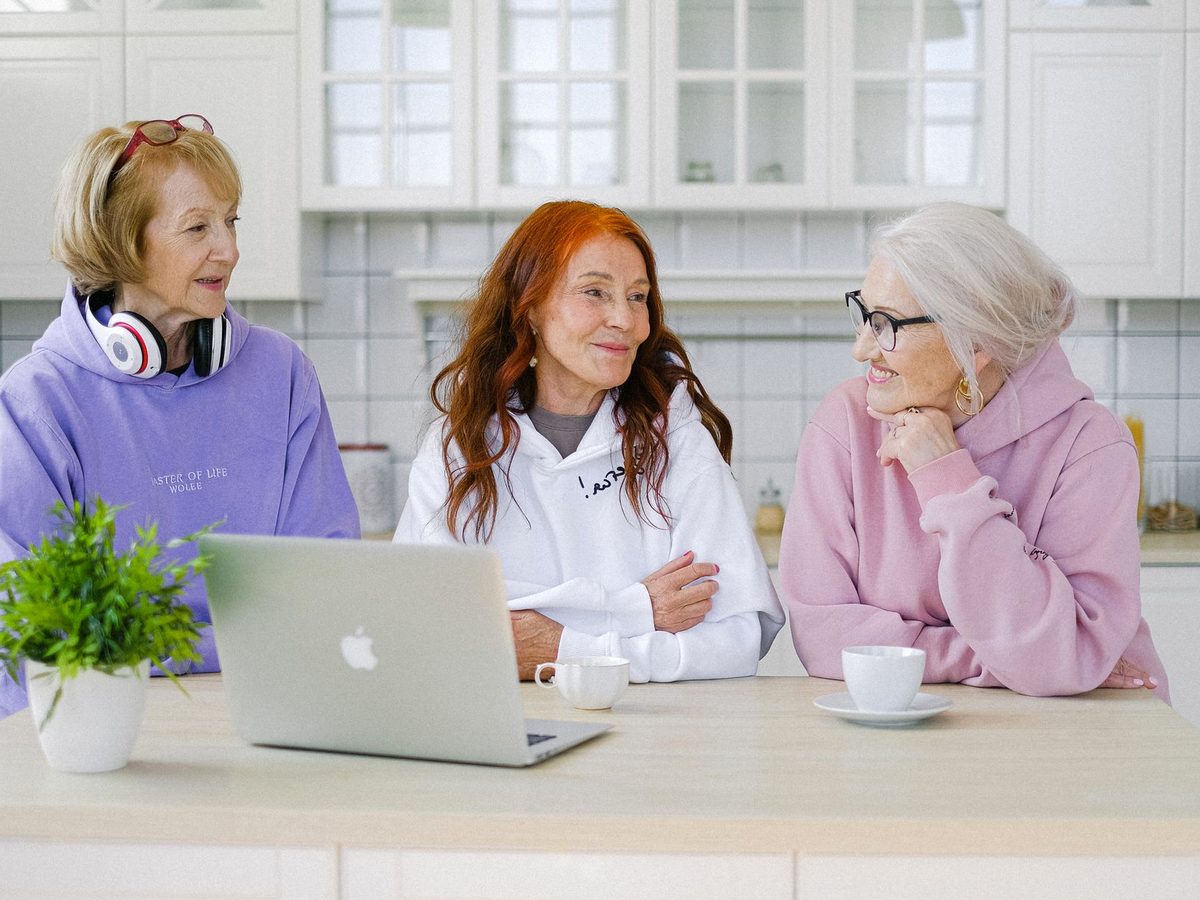
Three women in midlife talking together around a laptop at a kitchen table
Free

Community health education

Who: any woman, or person assigned female at birth, in Australia.

What: twelve live online workshops a year, each 75 minutes, co-led with a clinician. Captions, recordings and a plain language summary. Cameras optional, first names welcome.

Topics: perimenopause and knowing the signs early; genitourinary and pelvic health; sexual health and pain; bladder health; early menopause; talking to your doctor.

Fully funded

Funded programme places

Who: women who could not otherwise afford support, including women holding a concession card, women living with disability, and women in regional and remote areas.

What: a structured eight week education programme with screening for when to see a doctor, a resource pack and follow up at three months.

Places in year one: 50.

Scholarships

Regional professional education

Who: general practitioners, nurses, pelvic health physiotherapists and allied health professionals in regional, remote or low income communities.

What: funded training in recognising and managing the genitourinary, pelvic and sexual health conditions of menopause.

Scholarships in year one: 10. Details
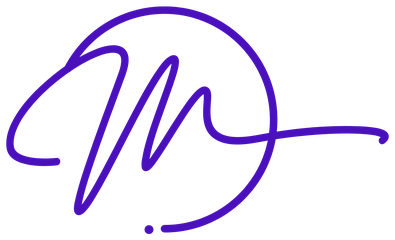
The Murchison River winding through red sandstone gorges in Kalbarri, Western Australia
Murchison River, Kalbarri, on Nanda Country.
Culturally safe

Designed with communities, not for them.

Aboriginal and Torres Strait Islander women, and women from migrant and refugee communities, face some of the steepest barriers to menopause care. We will not design programmes for these communities without them.

Aboriginal and Torres Strait Islander women

  • Sessions co-designed and delivered with an Aboriginal Community Controlled Health Organisation, in community or online, as our partner decides.
  • Yarning style conversations, led by Aboriginal and Torres Strait Islander women.
  • 10 of our 50 funded places in year one set aside for Aboriginal and Torres Strait Islander women.

Training for Aboriginal and Torres Strait Islander health workers

  • Three of our 10 scholarships in year one set aside for Aboriginal and Torres Strait Islander Health Workers and Health Practitioners.
  • More women can then talk about midlife health with someone from their own community.

Women from migrant and refugee communities

  • Accredited interpreters at sessions, on request.
  • Core resources in community languages from 2027.
  • Training for bilingual community health educators.

Accountable to community

  • Our partner organisation is paid for its time, under a written agreement.
  • We are seeking an Aboriginal or Torres Strait Islander woman for our board, and will form a paid community advisory group.
  • We will start a Reflect Reconciliation Action Plan with Reconciliation Australia in our first year.
  • Information about Aboriginal and Torres Strait Islander participants is governed with our partner, and results go back to community first.
  • Every facilitator, clinician and director completes cultural safety training.

Know before

More than a third of women only learn about menopause once symptoms start. Our Know before stream is for women in their late thirties and early forties: short sessions on what perimenopause looks like, early menopause, and which changes need a doctor.

Designed for women who care for others

Many women in midlife care for children, parents or both. Every session is online, short, recorded and available to watch later.

Equity commitments

  • At least 60% of funded places go to women in regional areas, on low incomes, or living with disability.
  • We will partner with an Aboriginal Community Controlled Health Organisation to co-design culturally safe sessions. How
  • Core resources will be translated into community languages, starting in 2027.
  • Easy read versions and captions for every resource.
Education, not treatment. Our programmes help you understand your body and prepare to talk to your doctor. They do not diagnose or treat any condition.

Want a place when programmes open?

It takes two minutes and we only ask what we need.

Register interest